
Consumer Goods
Textile and apparel makers: every style and order tracked, with a portal for buyers.
Style management across hundreds of orders, no B2B portal.
The Leak Assessment: 30 minutes, and a written plan within 48 hours, whether or not you hire us.
- Monthly plans: Your first fix goes live on the date in your written plan, or the extra hours are on us.
Included
- Fixed price in writing
- Written plan in 48 h
- No setup fee
- You own everything
Buyer question
How fast does SRJ answer a new enquiry now?
Under 4 hours. It used to take 3 days, before Cluxn built the B2B portal and digital product catalogue.
- 3 days → under 4 hrs
- B2B portal + catalogue
Proof card · Client: SRJ · Source: client testimonial
Owner question
How long does it take to onboard a new buyer?
60% less time, now that enquiries come through the website instead of WhatsApp and phone calls.
- −60% onboarding time
- Website enquiries
Proof card · Client: Aroma Monk · Source: client testimonial
Cluxn builds B2B buyer portals, style and version tracking and export paperwork workflows for textile and apparel manufacturers with 50–500 employees. Buyers check order status themselves, and your team stops managing hundreds of styles across spreadsheets. A portal typically takes 10–14 weeks, at a fixed price in writing after a 30-minute Leak Assessment.
Textiles & Apparel: common problems
What it's costing you.
Product Version Chaos
Style and product management across seasons tracked in Excel — cut tickets, fabric colors, and size ratios get misaligned on large export orders
What we build
One style record per order for cut tickets, colours and size ratios, with every change versioned.
Merchandiser asks
Which sample did the buyer approve?
- Rev B
- Changes asked · 2 Mar
- Rev C
- Changes asked · 6 Mar
- Rev D
- Approved by buyer · 9 Mar
- Job card
- Rev D only
- 1 thread per style
- Old revisions locked
- Approval dated
Example screen · sample data · Cluxn Approvals
Delayed Wastage Visibility
Fabric wastage tracked manually at end of shift — no real-time loss visibility to adjust cutting plans mid-production
What we build
Wastage entered per cutting table during the shift, shown live against the cutting plan.
Production head asks
How much material did we waste today?
- Line 1
- 3.9% waste · on plan
- Line 2
- 6.4% waste · above plan
- Plan
- 5% maximum
- Logged during the shift
- Same-day view
- Above plan flagged
Example screen · sample data · Cluxn Material use
Manual Export Paperwork
Export LC and documentation prepared from scratch for each shipment — delays caused by missing or incorrect documents
What we build
Export documents generated from the order record, with a checklist that flags anything missing before shipment.
Export manager asks
Is the paperwork ready for shipment EX-4410?
- Commercial invoice
- Ready
- Packing list
- Ready · from the order
- Certificate of origin
- Ready
- Test certificate
- Missing · lot L-88
- 3 of 4 ready
- Built from the order
- Flagged before shipment
Example screen · sample data · Cluxn Export documents
No Buyer Self-Service
No B2B buyer portal — clients receive PDFs and place orders over email, creating manual re-entry at every step
What we build
A buyer portal where clients see styles, place orders and track them, with no re-entry on your side.
Customer asks
Can I check my order without calling?
- Ordered
- 2 Oct · in the portal
- Stage
- 60% complete
- Ship date
- 24 Oct
- Documents
- Packing list ready
- Self-serve status
- Reorder in 2 clicks
- No call
Example screen · sample data · Cluxn Customer portal
Merchandiser asks
Which sample did the buyer approve?
- Rev B
- Changes asked · 2 Mar
- Rev C
- Changes asked · 6 Mar
- Rev D
- Approved by buyer · 9 Mar
- Job card
- Rev D only
- 1 thread per style
- Old revisions locked
- Approval dated
Example screen · sample data · Cluxn Approvals
Why it matters now for Textiles & Apparel
Why it matters now.
Apr 2028
EU producer responsibility for clothing, footwear and textiles starts.
The revised Waste Framework Directive makes producers selling into the EU pay for collection and recycling, with higher fees allowed for less sustainable products.
Source: EUWID · Waste Framework Directive published81%
of manufacturing buyers have a shortlist before they contact a vendor.
The decision starts on your website and in your records, before anyone calls you.
Source: Automation.com and RH Blake · 2026 B2B Manufacturing Buying Journey83%
of manufacturing purchases involve five or more evaluators.
Quality, finance and operations each check different things. Each needs an answer without a meeting.
Source: Automation.com and RH Blake · 2026 B2B Manufacturing Buying JourneyServices for Textiles & Apparel manufacturers
The fix.



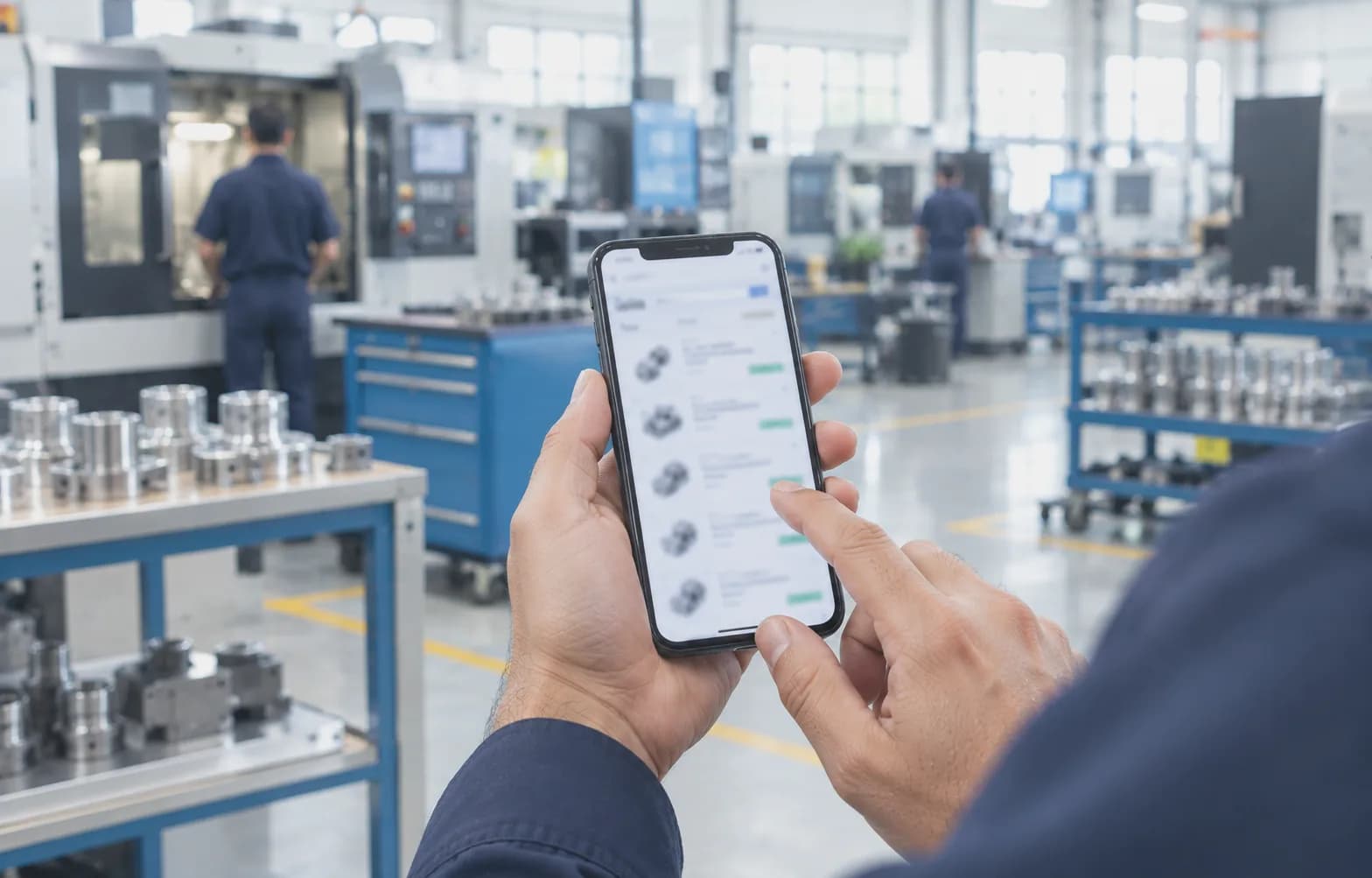
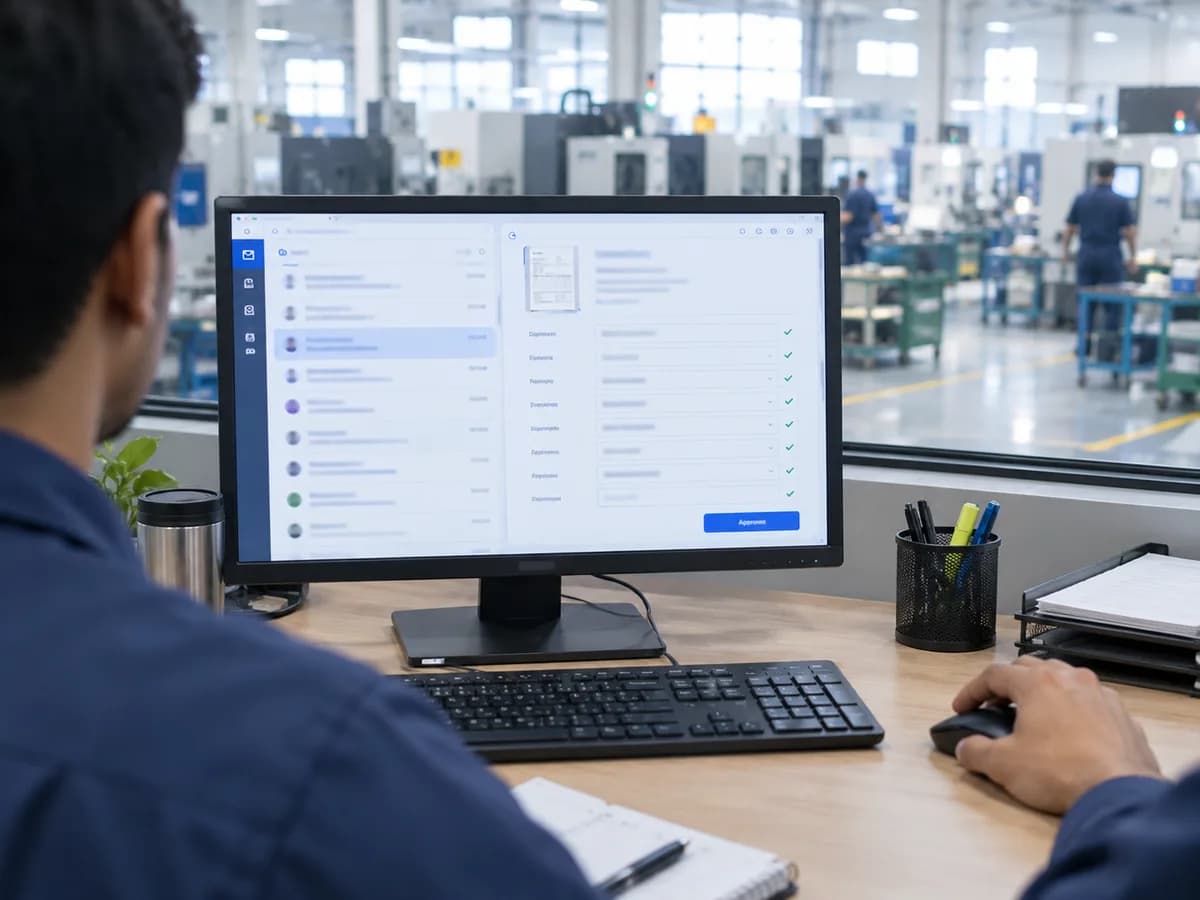
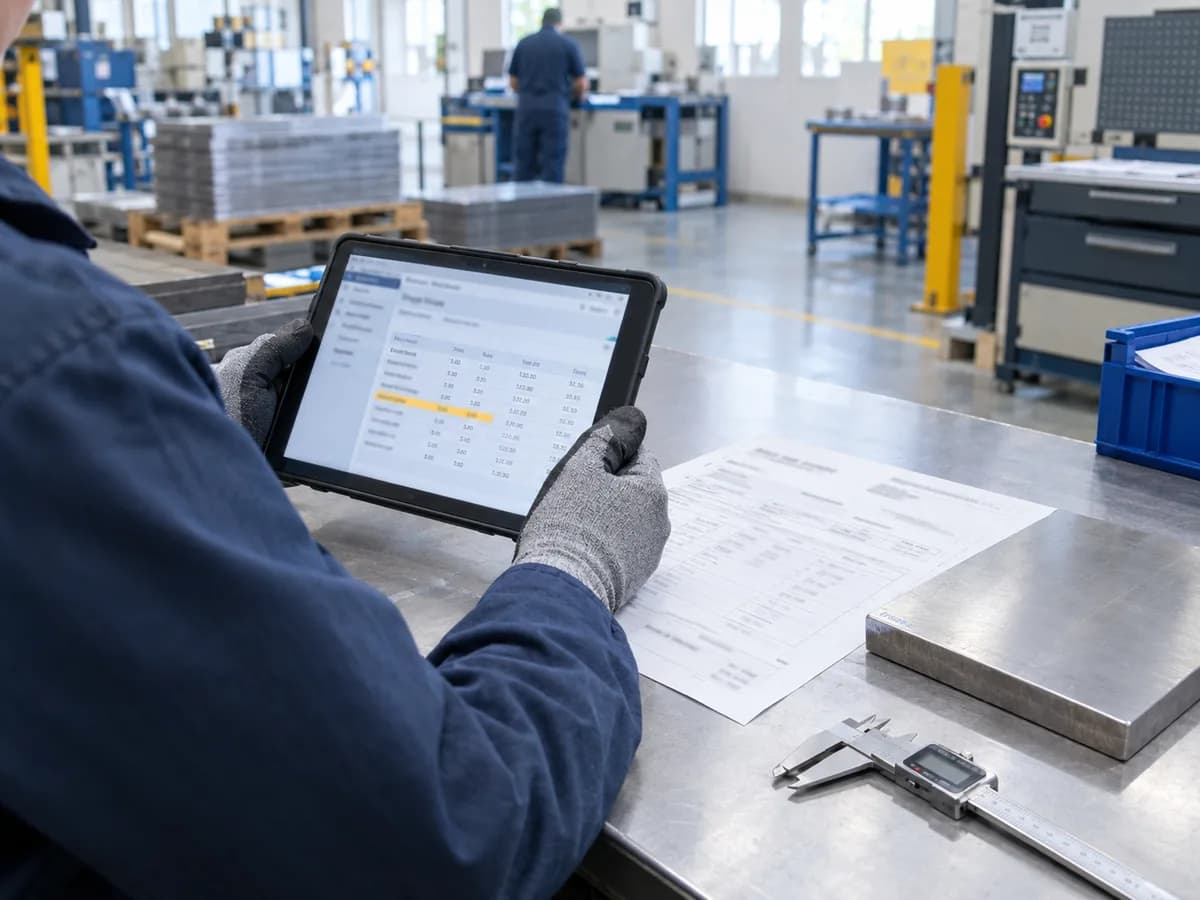
Standards and documents Textiles & Apparel buyers ask about
What buyers check.
OEKO-TEX STANDARD 100
Buyers often ask for tested fabrics and trims, and the certificate has to match the lot that shipped.
GOTS (organic textiles)
Organic claims need transaction certificates kept for each shipment.
Buyer social-compliance audits
Export buyers audit factories (for example SMETA or amfori BSCI) and ask for records on request.
How Textiles & Apparel plants run, step by step
How the work flows.
- 1
Buyer inquiry and tech pack
The buyer sends a tech pack, quantities and a delivery window.
- 2
Sampling and approval
Samples go back and forth until a version is approved.
- 3
Order and style record
The approved style, colours and size ratios are fixed for production.
- 4
Cutting, sewing and finishing
The order moves through each stage, with wastage recorded on the way.
- 5
Inspection and packing
Final inspection results and packing lists are recorded against the order.
- 6
Export documents and dispatch
Shipping documents are prepared and the buyer is told it shipped.
KPIs we track for Textiles & Apparel manufacturers
- Sample approval cycle time
- Order-to-dispatch time
- Fabric wastage
- On-time shipment
- Wrong-style dispatches
Work in other manufacturing sectors
Proof from nearby plants.

Want a result like this for your plant?
Book a Leak AssessmentTextiles & Apparel: Cluxn vs the alternatives
Not the usual choice.
Spreadsheets + WhatsApp Free to start, but orders and records live in files and chat threads. | Off-the-shelf ERP Generic modules built for every industry. Your team works around it. | Cluxn RecommendedBuilt around how your plant runs. First working version in about 4 weeks. | |
|---|---|---|---|
| Built for your operation | |||
| Support after go-live | |||
| Fixed, predictable timeline | |||
| No lock-in — you keep ownership |
Textiles & Apparel FAQs
Common questions.
Yes. A buyer portal shows styles, order status and dispatch dates, so buyers stop asking by email.
Industries related to Textiles & Apparel
Related industries.

Step 1 of The Leak-First Method
See it built for Textiles & Apparel.
We start with your sample approval cycle time and order-to-dispatch time. Plan and price in writing within 48 hours.
The Leak Assessment: 30 minutes, and a written plan within 48 hours, whether or not you hire us.
Find the leak
30-minute Leak Assessment
Get the plan
Tasks and a fixed price in writing within 48 hours
Fix it first
First working version in about 4 weeks
Train and hand over
Your team trained; code, docs and logins are yours
Next leak
Support, or the next fix on a monthly plan
Every project includes
- 30-minute Leak Assessment
- Written plan within 48 hours
- Fixed scope and price in writing
- Weekly demos
- Your team trained before go-live
- Code, documents and logins handed over
- Support after go-live
- Written exit clause, no license fees